
Cyclone Asbestos Damage in Townsville
Practical, safe next steps when cyclone damage affects suspected asbestos sheeting.
Licensed QLD removalists · Free on-site quotes · Clearance docs included
Prefer to talk? Call 0422 128 667
Prefer to talk? Call 0422 128 667
How it works. Easy as.
- 1
Fill in the quick form.
A few words is plenty.
- 2
I'll text you within 10 minutes to say g'day and sort out the details.
- 3
We lock in a site visit when it suits you.
A licensed removalist inspects the material and measures up, so your quote is spot on.
- 4
Your written quote lands within 30 minutes of the visit.
Fixed, all-inclusive price. No nasty surprises.
- 5
All good? Say yes.
Flexible payment options are available if money's a bit tight.
- 6
Removal day.
Licensed, WHSQ-approved removalists remove it safely and leave the place tidier than they found it.
- 7
Sorted.
Everything is wrapped, carted off and legally disposed of at a licensed facility such as Townsville's Stuart Waste Facility, with a clearance certificate where required.
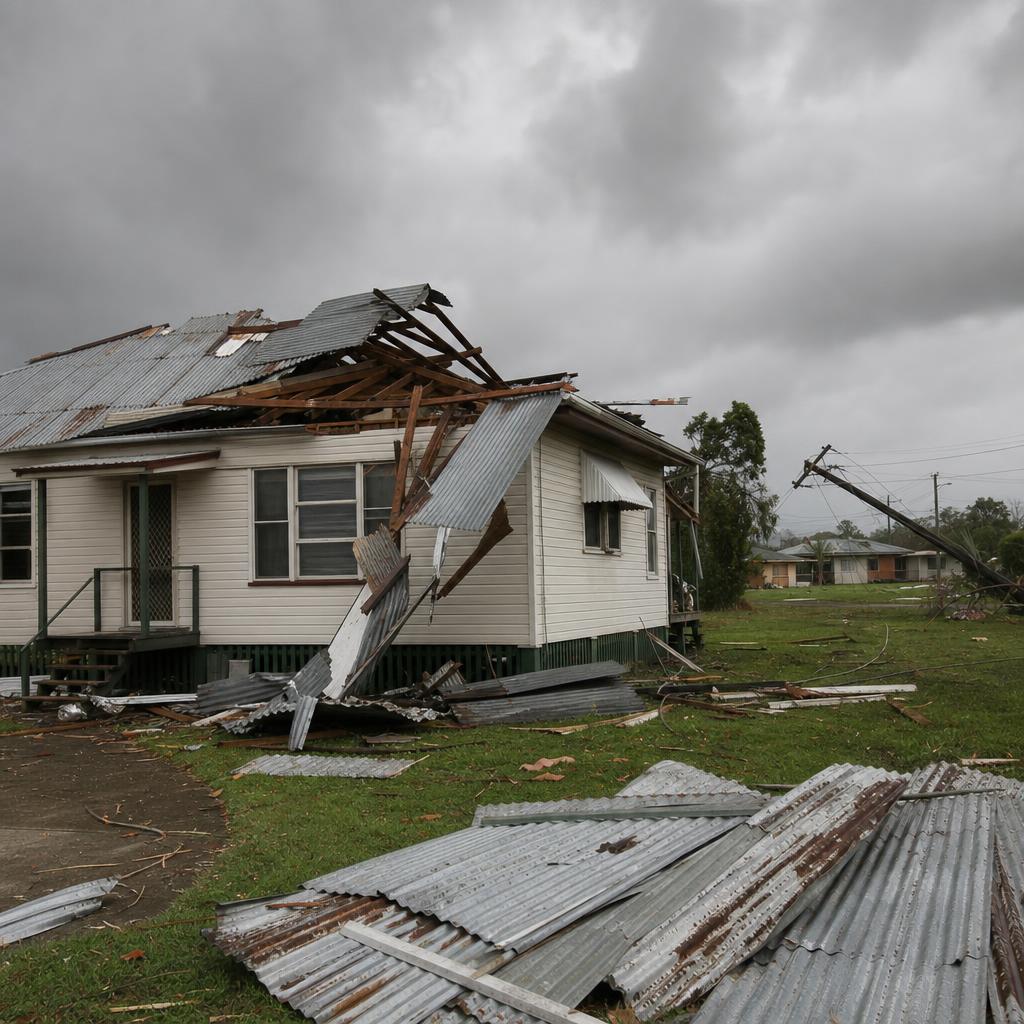
If a cyclone has damaged a suspected asbestos roof or wall in Townsville, keep clear of the material, do not break or crush it, and cover it with a tarp or similar only when it is safe to do so. Contact Council for advice and assistance, then arrange assessment and controlled cleanup. Cyclonic winds can shatter brittle asbestos cement roof sheeting and fibro cladding, scattering fragments across yards and neighbouring properties.
Our team helps homeowners plan the safe response after damage, from a damaged asbestos roof through to contained removal and compliant disposal. For a broader debris response, see our storm-damage asbestos cleanup guide.
Why cyclone damage needs a controlled response
Cyclonic winds shatter brittle asbestos cement roof sheeting and fibro cladding, scattering fragments across yards and neighbouring properties.
Cyclone Althea, December 1971, remains the benchmark Townsville cyclone event, and the housing stock predating the wind loading standards that followed it is also the stock most likely to contain asbestos cement.
Pre-1980: built before the post-Cyclone-Althea wind loading code changes, so these homes are both cyclone-vulnerable and highly likely to contain asbestos cement products.
Townsville's Local Disaster Management Group includes an Environmental Health Working Group with specific responsibility for asbestos-contaminated material in disaster situations.
Cyclone Yasi, February 2011: the tidal surge caused asbestos-containing material to become commingled with soil, sand, vegetation and debris across affected North Queensland communities. The Queensland Government developed a specific operational framework for handling asbestos after the surge, including extending powers so that licensed asbestos contractors could access public and private land.
When fragments, soil, vegetation and building debris are mixed together, treating the scene as ordinary cleanup can spread contamination. Avoid moving, sweeping or crushing material while the extent of the damage is being assessed.
A homeowner’s first steps after roof damage
Cyclone Debbie, March 2017: Queensland Government advice during the clean-up was that if you have damaged material that may contain asbestos you should cover it with a tarp or similar and contact your local council for advice and assistance. Never break or crush the sheeting.
- Keep children, pets and other people away from damaged sheets and visible debris.
- Do not walk on, snap, drill, saw, sweep or pressure-clean suspect asbestos cement.
- Where it is safe and without handling broken material, use a tarp or similar cover to limit further weather exposure.
- Seek Council advice, document the damage for the insurer, and have the material assessed before any repair or demolition starts.
- Use a planned removal and disposal pathway rather than adding suspect material to a general debris pile.
A cover is a temporary measure, not a cleanup method. Damaged roofing and cladding need a site-specific plan because wind can carry fragments beyond the building itself. We can discuss the condition, access and removal scope in a free on-site quote.
From immediate protection to removal
The practical sequence matters. First, prevent further access and disturbance. Next, make a note of the affected roof, cladding, yard and any nearby areas where fragments may have landed. This gives the assessment and insurance process a clear starting point without asking a homeowner to handle the material.
Repairs should not begin by removing a few broken pieces to “tidy up” the site. A contractor replacing roof sheets needs to know whether the surrounding material is asbestos cement and whether debris has travelled beyond the roof line. Keeping damaged material intact where possible is safer than creating smaller pieces.
We then scope the removal around the actual condition of the material and the practical access to the property. That scope includes the damaged asbestos, associated fragments and the disposal route. It allows the property to move from temporary protection to a controlled repair process without treating asbestos debris as normal building waste.